

The Not-So United Front Against the Islamic State
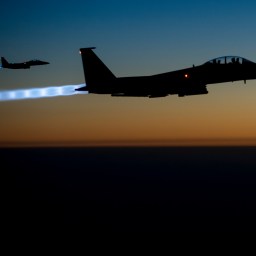
With much of the world seemingly arrayed against the Islamic State, how is the group still so powerful?
Continue reading The Not-So United Front Against the Islamic State
With much of the world seemingly arrayed against the Islamic State, how is the group still so powerful?
Continue reading The Not-So United Front Against the Islamic State
Recent developments in the Middle East — from pro-democracy protests in Bahrain to the current crisis in Yemen — form the backdrop of a rapidly escalating tug-of-war between Iran and Saudi Arabia.
The expansion of ISIS not only poses a direct military threat, but also distracts from other important regional issues such as nuclear proliferation.
Continue reading America’s Myopic Middle Eastern Security Policy
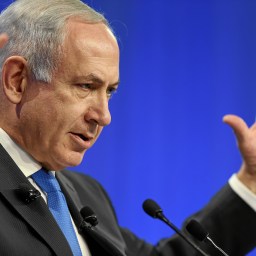
Tyler Bowen analyzes how Netanyahu’s reelection is reflective of deep-seated xenophobia in Israeli society, particular within its settler population.
Although full U.S. combat operations officially ended in Afghanistan in 2014, the fight against extremism rages on.
With the reelection of Israeli Prime Minister Benjamin Netanyahu, the two-state solution appears to be off the table indefinitely, which is bad news for Israeli foreign policy.
Despite contrary claims from the US government, the actions of Kurdish Peshmerga in the conflict against ISIS suggest anything but a partnership of reliability and stability.
Continue reading US Aid to Kurdish Peshmerga – A Double-Edged Sword
In the past year alone, ISIS has reportedly received over $35 million in ransoms, leading many to question the decision of some states to negotiate with terrorists in order to free kidnapped citizens.
Continue reading “We Don’t Negotiate With Terrorists” – The Economics of Hostage Taking
President Obama’s recently proposed AUMF against the Islamic State is meant to serve political, not legal, ends.
Continue reading Why Obama’s AUMF Has Nothing to Do with Legality






 diplomacist.com