
Mr. Premzarident
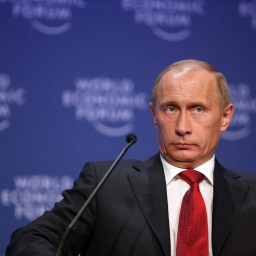
Twenty-five years after the fall of the Berlin Wall, divisions between Europe and Russia remain in Georgia, Moldova, and Ukraine — mostly due to Vladimir Putin.
Twenty-five years after the fall of the Berlin Wall, divisions between Europe and Russia remain in Georgia, Moldova, and Ukraine — mostly due to Vladimir Putin.
In a speech on October 24, British Prime Minister David Cameron railed against an “unjustified and sudden” bill from the EU demanding £1.7 billion from Britain by December 1. In light of growing “euro-skepticism” across the UK, Ali Peterson examines the repercussions of leaving the EU from Britain’s point of view.
Conna Walsh discusses the implications of the recent trade pact between India and Vietnam, and its significance for territorial conflict in the South China sea and China’s regional hegemony.
Earlier this week, the small nation of Tunisia held its first round of democratic elections under its new constitution. Michael Alter recounts Tunisia’s transition from dictatorship to constitutional democracy, and argues that the future is bright.
Last week, elections in Ukraine were swept by a combination of parties all in favor of establishing closer ties with Europe. Although this can be seen as nothing less than great news for Ukrainian president Petro Poroshenko, Chris Rodriguez cautions that darker times may be on the horizon for the Ukrainian leader if the situation in the east of the country isn’t brought under control soon.
In his first year in office, Pope Francis has traveled far and wide, visiting the “Catholic periphery” and asserting the Church’s relevance in global politics. Michael Alter examines how Francis has already done much more than his predecessors to keep the Church meaningful, not only to his own flock, but to others as well.
On Wednesday, Mosha Gessen, a New York Times journalist and Russian refugee, spoke at Cornell about Putin, the new Russian state, and Pussy Riot. Thea Walsh argues that Vladimir Putin has strived to exclude dissident groups from Russian society by depicting them as foreign and anti-Russian.
This Monday, a young Indian woman, from the northern province of Uttar Pradesh, retracted a statement made in August, which had accused a Muslim man of abducting, raping, and forcefully converting her to Islam for marriage. According to Thea Walsh, the notion of “love jihad” can be viewed as a nationalist ploy to promote a singular definition of belonging in Indian society.
Continue reading “Love Jihad” – Correcting Desire through Narrative
Noah Tulsky considers the unique structure of the Israeli government, using a theoretical stature formed of Barak and Owen’s essays on the subject to duscuss the interplay of civic and military bodies in governmental functions.
 diplomacist.com