
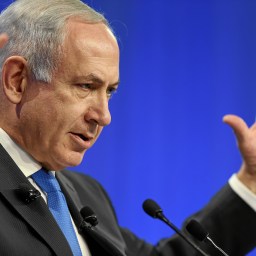
Step Back, Mr. Prime Minister
With the reelection of Israeli Prime Minister Benjamin Netanyahu, the two-state solution appears to be off the table indefinitely, which is bad news for Israeli foreign policy.
With the reelection of Israeli Prime Minister Benjamin Netanyahu, the two-state solution appears to be off the table indefinitely, which is bad news for Israeli foreign policy.
The special relationship between the United States and Israel plays an outsize role in shaping U.S. policy in the Middle East — so why is Israeli Prime Minister Benjamin Netanyahu now jeopardizing it?
We are accustomed to hearing the same news about oil: a disruption of global supplies by members of OPEC lead to an increase in the already soaring prices of oil. Since August of this year, however, the story has changed. Puneet Brar considers the impact of falling oil prices on global affairs.
Continue reading Crippling Oil Prices Will Not Cripple America
Over the past few days Israel has conducted multiple unprovoked airstrikes against Syria, including on the capital of Damascus. Though both the Israeli and U.S. governments have refused to officially acknowledge the attacks, the purported pretext has been widely reported.
Motives for the violent Western intervention in Syria — where since at least early 2012 the CIA has been sending large shipments of weapons to Sunni militants working with al-Qaida front Jabhat al-Nusra — predictably appear rooted in geostrategic, rather than humanitarian, interests. Iran recently secured a $10 billion pipeline deal with Syria and Iraq that the U.S. and its European allies bitterly opposed. The project would bring Iranian hydrocarbons to the Mediterranean as well as Russia, which has sought to expand its influence in the region’s energy development.

 diplomacist.com